
Supplements
Supplements can be a great way to fill in nutritional gaps for picky eaters or naturally support the body in a targeted way. There’s no one supplement for everybody, so it’s important to individualize as much as possible.
Activated charcoal is a supplement that can bind to toxic or poisonous substances in the gastrointestinal tract so they are not absorbed by the body.
Aloe vera is an herb that is used on the skin to heal wounds and rashes. It can also be ingested as a supplement for digestive conditions.
Butyrate is a short chain fatty acid which is produced when the beneficial bacteria in our colon digest/break down fiber.
Collagen is an important protein that is a major part of all connective tissue! In addition to bone, skin, and nail health, collagen plays an important role in healing tissue. It may help heal intestinal lining that has been damaged by leaky gut syndrome, which is common in autism.

Colostrum is the milk produced during the first few days after birth and contains high levels of immunoglobulins, antimicrobial peptides, and growth factors. It shows therapeutic potential for various illnesses including gastrointestinal conditions.
Digestive bitters stimulate the release of digestive enzymes and have various health benefits like alleviating digestive discomfort, reducing inflammation, and potentially lowering blood sugar levels.
Children with autism often have reduced enzyme activity due to intestinal inflammation, bacterial overgrowth, leaky gut or food sensitivities. Insufficient enzymes means that proper digestion of food isn’t taking place and the child isn’t getting the nutrients needed for their bodies to function optimally.
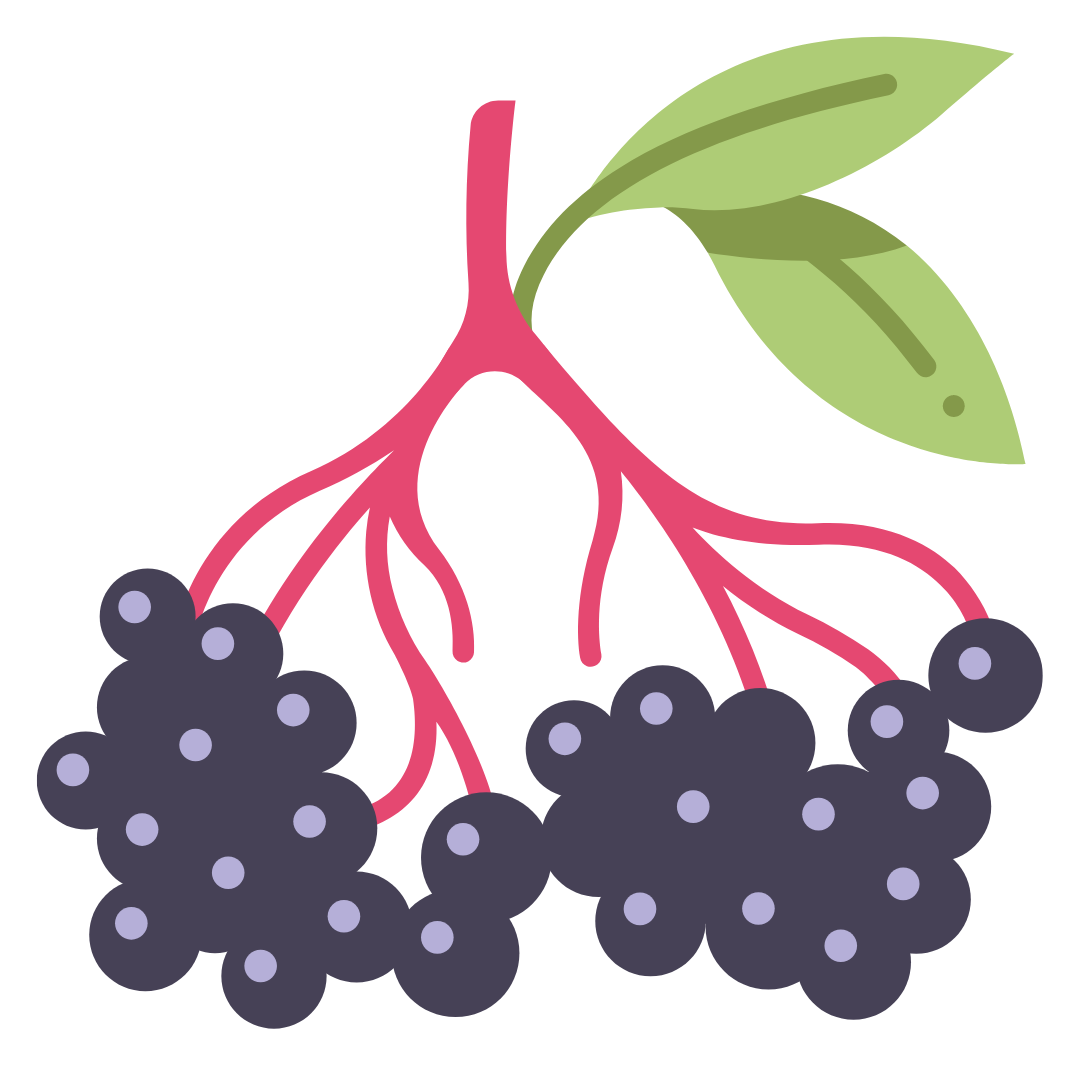
Elderberry is a black-purple berry often used for its immune system benefits and antiviral properties.

Electrolytes are trace minerals that are essential for healthy fluid balance, brain signals, and much more! They help us stay hydrated, but many electrolyte drinks and supplements come packed with sugars and artificial ingredients.
Bathing in epsom salts may help your child relax and detoxify. It is generally considered to be a safe and effective way to wind down, prevent constipation, and facilitate the removal of toxins from the body.

Fish oil is considered a high-powered anti-inflammatory that can help with brain disorders, including autism. Children with ASD are at higher risk to be deficient in omega-3s, the primary fatty acid in fish oil.
GABA’s main role is to calm neurons down and reduce their activity. It can help alleviate pain, lower blood pressure, stabilize our mood, help us sleep and allow us to feel calm and relaxed.


Inulin is a naturally occurring fiber that fosters healthy intestinal flora. By boosting the number of friendly bacteria in the gut, inulin can protect against inflammation, toxic overload, SIBO, food allergies, eczema, stress, reduce constipation and diarrhea, and possibly improve other behaviors associated with autism.
Supplementing L-Glutamine may be a great option to support the immune system as well as help with leaky gut. However, some hypothesize that it may cause hyperactivity or anxiety in those with autism/ADHD.

L-Theanine is an amino acid that can be found in tea leaves and supplements. It promotes relaxation, sleep and improved cognition.
MCT oil is a fat supplement used to boost calories, manage weight, alleviate constipation, and control seizures. For these reasons, MCT Oil may be a food fit for some children with autism.

Melatonin is a hormone naturally produced in our brain in response to darkness. It helps control natural sleep-wake cycles and circadian rhythms. Individuals with ASD may have lower levels of naturally produced melatonin. Supplemental melatonin may help with sleep, anxiety, gastrointestinal dysfunction and other behavioral concerns.
Children with autism who are selective eaters are more likely to have at least one serious nutrient deficiency. Multivitamins can be a great way to fill gaps in the diet and promote optimal nutrient status.

NAC is an amino acid that supports the immune system and respiratory health, assists our body in detoxification, and helps us withstand oxidative stress.

Oregano is typically thought of as only a culinary spice, however, when you extract the oil from the leaves of the oregano plant to get the product oil of oregano, there are various health benefits. Oil of oregano has antibacterial, antifungal, and antiviral effects.

Prebiotics are a great way to supplement the gut with beneficial fiber. Many children with ASD do not consume adequate levels of fiber, so supplementation can be a great way to increase intake.

Probiotics are live bacteria or yeast that naturally live in and on your body. Gut health is a vital piece to optimal nutrition for autism, and supplementing with fermented foods or probiotics can help improve both gut and brain health, and potentially improve certain behaviors.

Protein is a vital nutrient for growth and development. For children who avoid food sources of protein, protein supplements can help boost intake to reach daily needs.


S. boulardii is a beneficial yeast commonly used to treat and prevent diarrhea. It enhances the body’s ability to absorb certain minerals and B vitamins and prevents pathogens, such as Candida, from colonizing the gastrointestinal tract.

SAM-E is a compound found naturally in the body, made from the amino acid methionine. SAM-E is integral to understanding much of the inflammation that affects those with autism.


5-HTP is a chemical that is made in the body from the essential amino acid, tryptophan, and is vital for the creation of both serotonin and melatonin. Children on the autism spectrum have shown to have abnormal levels of serotonin and imbalanced 5-HTP conversion. Appropriate levels are important for sleep, mood, and behavior, implicating further research.